



Water Heater Repair vs Replacement: A Homeowner's Complete Guide
When it comes to maintaining a comfortable home, a functioning water heater is essential. Homeowners often face the dilemma of whether to repair or replace their water heater when issues arise. This guide will help you understand the signs that indicate a need for repair, the factors that suggest replacement, and the cost implications of both options. By the end of this article, you will be equipped with the knowledge to make an informed decision regarding your water heater needs. We will explore the symptoms of water heater failure, the cost differences between repair and replacement, and the types of water heaters available, along with maintenance tips to extend their lifespan.
How Can You Identify Signs Your Water Heater Needs Repair?
Identifying the signs that your water heater requires repair is crucial for preventing further damage and ensuring a steady supply of hot water. Common symptoms of water heater failure include inconsistent water temperature, strange noises, and visible leaks. Recognizing these issues early can save you from costly repairs and ensure your home remains comfortable.
What Are Common Symptoms of Water Heater Failure?
Several symptoms can indicate that your water heater is failing. These include:
- No Hot Water: If you find that your water heater is not producing hot water, it may be a sign of a malfunctioning heating element, thermostat, or pilot light (for gas heaters).
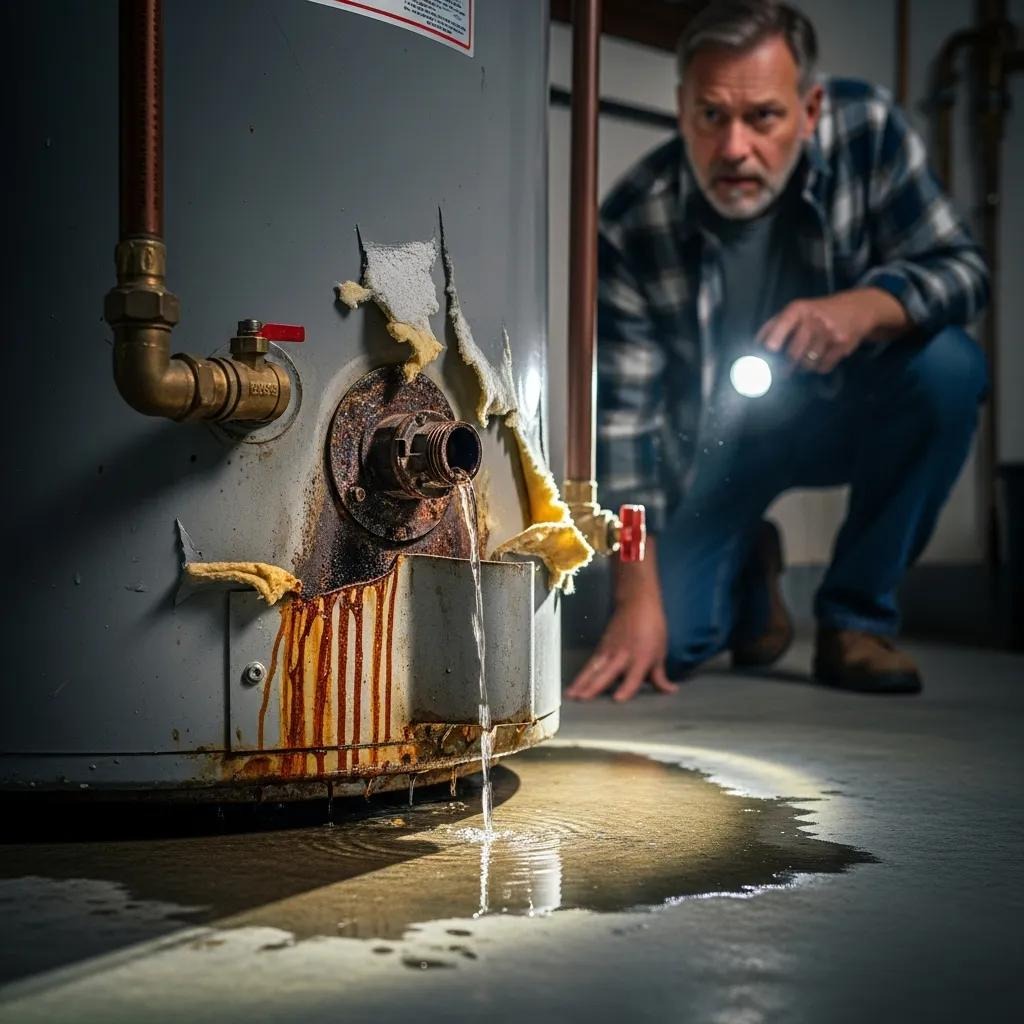
- Discolored Water: Rusty or discolored water can indicate corrosion within the tank, which may require immediate attention.
- Strange Noises: Banging or popping sounds can suggest sediment buildup in the tank, which can lead to overheating and potential failure.
Recognizing these symptoms early can help you determine whether a repair is necessary or if replacement is the better option.
How Do Leak and Noise Indicate Repair Needs?
Leaks and unusual noises are significant indicators that your water heater may need repair.
- Types of Noises: If you hear rumbling or popping sounds, it may indicate sediment buildup, which can cause overheating. A hissing sound could suggest a leak or a failing heating element.
- What Leaks Indicate: Water pooling around the base of the heater often points to a leak, which can lead to further damage if not addressed promptly.
Understanding these signs can help you act quickly to prevent more extensive damage to your home.
When Is It Time to Replace Your Water Heater Instead of Repairing?
While repairs can often extend the life of your water heater, there are times when replacement is the more cost-effective solution. Factors such as the age of the unit, efficiency ratings, and performance issues should be considered when making this decision.
How Does Water Heater Age Affect Replacement Decisions?
The age of your water heater plays a crucial role in determining whether to repair or replace it. Most traditional water heaters have a lifespan of about 8-12 years. If your unit is approaching or beyond this age and experiencing issues, replacement may be more cost-effective in the long run.
What Efficiency and Performance Factors Signal Replacement?
Several efficiency and performance factors can indicate that it’s time to replace your water heater:
- Energy Efficiency: Older models are often less energy-efficient, leading to higher utility bills. Upgrading to a newer, more efficient model can result in significant savings.
- Performance Issues: If you find that your water heater frequently runs out of hot water or takes longer to heat, it may be time for a replacement.
Evaluating these factors can help you make a more informed decision about your water heater.
What Are the Cost Differences Between Repairing and Replacing a Water Heater?
Understanding the cost implications of repairing versus replacing your water heater is essential for homeowners.
How Do Repair Costs Compare to Installation Expenses?
Repair costs can vary widely depending on the issue. Minor repairs may cost between $150 and $300, while more significant repairs can range from $400 to $1,000, occasionally approaching the cost of a new unit. In contrast, the installation of a new water heater typically ranges from $800 to $1,500, depending on the type and model.
What Are Treasure Valley Specific Pricing Considerations?
In the Treasure Valley area, local market factors can influence pricing. Homeowners should consider:
- Upfront Pricing: Many plumbing services offer transparent pricing, which can help you budget for repairs or replacement.
- Emergency Service Costs: If you require immediate assistance, emergency service fees may apply, which can increase overall costs.
Understanding these local pricing considerations can help you plan for your water heater needs effectively.
Service Type
Cost
Description
Minor Repair
$150 - $300
Fixing minor issues like leaks or faulty thermostats
Major Repair
$400 - $1,000
Addressing significant problems such as heating element replacement or thermostat failure
Replacement
$800 - $1,500
Installing a new water heater, including labor and materials
This table illustrates the cost differences between various service types, helping you make an informed decision.
Which Types of Water Heaters Should Homeowners Consider?
When considering a new water heater, homeowners have several options to choose from, each with its own benefits and drawbacks.
What Are the Benefits of Tankless vs. Tank Water Heaters?
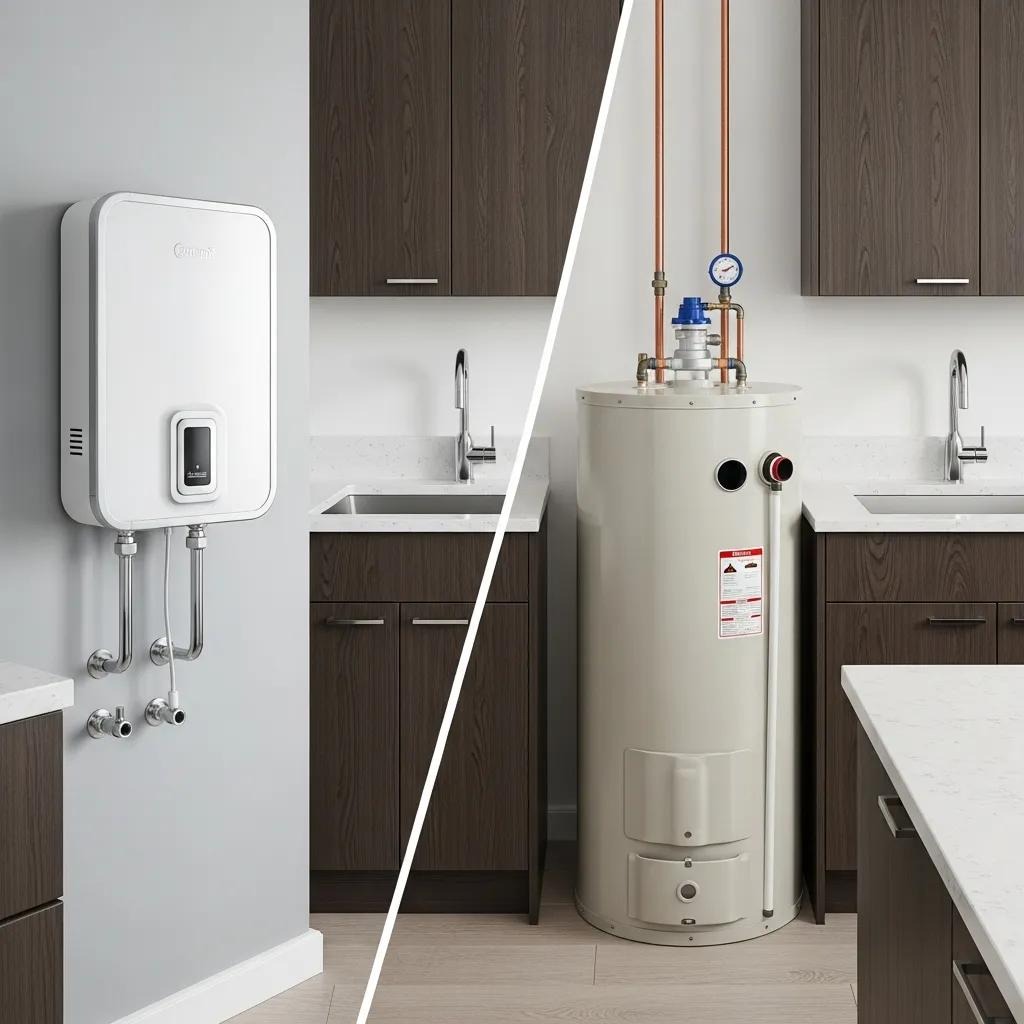
Tankless water heaters offer several advantages over traditional tank models:
- Energy Efficiency: Tankless models heat water on demand, reducing energy consumption.
- Space Saving: They take up less space, making them ideal for smaller homes.
- Unlimited Hot Water: Tankless systems provide a continuous supply of hot water, eliminating the risk of running out.
However, traditional tank water heaters usually have a lower upfront cost and are easier and less expensive to install.
How Do Hybrid and Energy Efficient Models Compare?
Hybrid and energy-efficient models are designed to reduce energy consumption and lower utility bills.
- Cost Savings: These models often come with higher initial costs but can lead to significant savings over time due to their efficiency.
- Environmental Impact: Energy-efficient models contribute to reduced carbon footprints, making them a more sustainable choice.
Further emphasizing the long-term value, research highlights how various factors influence the selection of residential water heaters, often making efficient models a worthwhile investment despite higher upfront costs.
Residential Water Heater Selection: Factors, Efficiency, and Cost
Which water heating option is the best choice for a given household will depend on a number of factors, including average daily hot water use (total gallons per day), hot water draw patterns (close together or spread out), the hot water distribution system (compact or distributed), installation constraints (such as space, electrical service, or venting accommodations) and fuel-type availability and cost. While in general more efficient water heaters are more expensive than conventional water heating technologies, the savings in energy use and, thus, utility bills can recoup the additional upfront investment and make an efficient water heater a good investment over time in most situations.
Impacts of water quality on residential water heating equipment, 2013
Evaluating these options can help homeowners choose the best water heater for their needs.
How Can Proper Maintenance Extend Your Water Heater's Lifespan?
Regular maintenance is key to extending the lifespan of your water heater and ensuring optimal performance.
What Are Essential Water Heater Maintenance Tips?
To keep your water heater running efficiently, consider the following maintenance tips:
- Flushing the Tank: Regularly flushing the tank can remove sediment buildup, which can improve efficiency and prolong the unit's life.
- Anode Rod Replacement: Checking and replacing the anode rod can prevent corrosion and extend the life of your water heater.
- Routine Inspections: Scheduling annual inspections with a professional can help identify potential issues before they become major problems.
Implementing these maintenance practices can significantly enhance the longevity of your water heater.
How Does Regular Service Prevent Emergency Repairs?
Regular maintenance can help prevent emergency repairs by identifying issues early.
- Preventative Maintenance: Routine checks can catch small problems before they escalate into costly repairs.
- Early Detection of Issues: Identifying leaks or performance issues early can save homeowners from extensive damage and repair costs.
By prioritizing maintenance, homeowners can ensure their water heaters operate efficiently and reliably.
What Emergency Water Heater Repair Services Does Alpha Plumbing Offer in Treasure Valley?
In the event of a water heater emergency, having access to reliable repair services is crucial.
How Does Alpha Plumbing Provide Localized Emergency Assistance?
Alpha Plumbing offers 24/7 emergency repair services for water heaters in the Treasure Valley area. Their team is equipped to handle various issues, ensuring that homeowners receive prompt assistance when needed.
What Are the Advantages of Choosing Alpha Plumbing for Repair and Replacement?
Choosing Alpha Plumbing for your water heater needs comes with several benefits:
- Professional Installation: Their experienced technicians ensure that installations are performed correctly and efficiently.
- Transparent Pricing: Alpha Plumbing provides upfront pricing, so homeowners know what to expect without hidden fees.
- Local Expertise: With a focus on the Treasure Valley area, Alpha Plumbing understands the specific needs and challenges faced by local homeowners.
These advantages make Alpha Plumbing a reliable choice for water heater repair and replacement services.